
Others
Featured Products
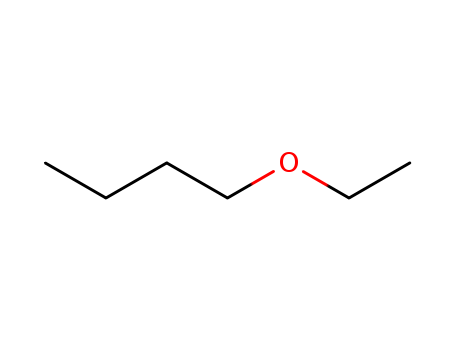
Quality Factory Sells Top Purity 99% Butyl ethyl ether 628-81-9 with Safe Delivery
- Molecular Formula: C6H14 O
- Molecular Weight: 102.177
- Appearance/Colour: colorless liquid.
- Vapor Pressure: 52 mm Hg ( 25 °C)
- Melting Point: -124 °C
- Refractive Index: n20/D 1.382(lit.)
- Boiling Point: 92.2 °C at 760 mmHg
- Flash Point: -1 C
- PSA: 9.23000
- Density: 0.75 g/mL at 25 °C(lit.)
- LogP: 1.82300
Butyl ethyl ether(Cas 628-81-9) Usage
|
Synthesis Reference(s) |
The Journal of Organic Chemistry, 39, p. 3050, 1974 DOI: 10.1021/jo00934a027 |
|
General Description |
A clear colorless liquid with an ethereal odor. Flash point 40°F. Less dense than water. Vapors heavier than air. |
|
Air & Water Reactions |
Highly flammable. Slightly soluble in water. Oxidizes readily in air to form unstable peroxides that may explode spontaneously [Bretherick 1979. p.151-154, 164]. A mixture of liquid air and diethyl ether exploded spontaneously [MCA Case History 616. 1960]. |
|
Reactivity Profile |
Ethers, such as Butyl ethyl ether, can act as bases. They form salts with strong acids and addition complexes with Lewis acids. The complex between diethyl ether and boron trifluoride is an example. Ethers may react violently with strong oxidizing agents. In other reactions, which typically involve the breaking of the carbon-oxygen bond, ethers are relatively inert. |
|
Hazard |
Flammable, dangerous fire risk. |
|
Health Hazard |
Inhalation or contact with material may irritate or burn skin and eyes. Fire may produce irritating, corrosive and/or toxic gases. Vapors may cause dizziness or suffocation. Runoff from fire control may cause pollution. |
|
Fire Hazard |
HIGHLY FLAMMABLE: Will be easily ignited by heat, sparks or flames. Vapors may form explosive mixtures with air. Vapors may travel to source of ignition and flash back. Most vapors are heavier than air. They will spread along ground and collect in low or confined areas (sewers, basements, tanks). Vapor explosion hazard indoors, outdoors or in sewers. Runoff to sewer may create fire or explosion hazard. Containers may explode when heated. Many liquids are lighter than water. |
|
Flammability and Explosibility |
Flammable |
|
Safety Profile |
Moderately toxic by ingestion. A skin and eye irritant. A very dangerous fire hazard when exposed to heat or flame; can react vigorously with oxidizing materials. Keep away from heat and open flame. To fight fire, use alcohol foam, CO2, dry chemical. When heated to decomposition it emits acrid smoke and irritating fumes. See also ETHERS. |
|
Potential Exposure |
Used as a solvent for extraction and in making other chemicals |
|
Shipping |
UN1179 Ethyl butyl ether, Hazard Class: 3; Labels: 3-Flammable liquid. |
|
Purification Methods |
Purify by drying with CaSO4, by passage through a column of activated alumina (to remove peroxides), followed by prolonged refluxing with Na and then fractional distillation. [Beilstein 4 IV 1518.] |
|
Incompatibilities |
May form explosive mixture with air. Heat or prolonged storage may cause the formation of unstable peroxides. Incompatible with oxidizers (chlorates, nitrates, peroxides, permanganates, perchlorates, chlorine, bromine, fluorine, etc.); contact may cause fires or explosions. Keep away from alkaline materials, strong bases, strong acids, oxoacids, and epoxides. Attacks some plastics, rubber and coatings. May accumulate static electrical charges, and may cause ignition of its vapors. |
InChI:InChI=1/C6H14O/c1-3-5-6-7-4-2/h3-6H2,1-2H3
628-81-9 Relevant articles
Absolute rates of the solution-phase addition of atomic hydrogen to a vinyl ether and a vinyl ester: Effect of oxygen substitution on hydrogen atom reactivity with olefins
Tanner,Kandanarachchi,Das,Franz
, p. 3054 - 3063 (2003)
The reactions of vinyl butyl ether and v...
Dehydrogenative ester synthesis from enol ethers and water with a ruthenium complex catalyzing two reactions in synergy
Ben-David, Yehoshoa,Diskin-Posner, Yael,Kar, Sayan,Luo, Jie,Milstein, David,Rauch, Michael
supporting information, p. 1481 - 1487 (2022/03/07)
We report the dehydrogenative synthesis ...
Selective hydrogenolysis of 2-furancarboxylic acid to 5-hydroxyvaleric acid derivatives over supported platinum catalysts
Asano, Takehiro,Takagi, Hiroshi,Nakagawa, Yoshinao,Tamura, Masazumi,Tomishige, Keiichi
, p. 6133 - 6145 (2019/11/20)
The conversion of 2-furancarboxylic acid...
The Guanidine-Promoted Direct Synthesis of Open-Chained Carbonates
Shang, Yuhan,Zheng, Mai,Zhang, Haibo,Zhou, Xiaohai
, p. 933 - 938 (2019/09/30)
In order to reduce CO2 accumulation in t...
Ethanol to Butanol Conversion over Bifunctional Zeotype Catalysts Containing Palladium and Zirconium
Kots,Zabilska,Grigor’ev, Yu. V.,Ivanova
, p. 925 - 934 (2019/08/20)
Abstract: A study of the kinetics of eth...
628-81-9 Process route
-
-
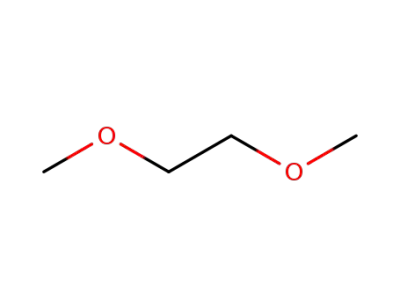
110-71-4
1,2-dimethoxyethane

-
-
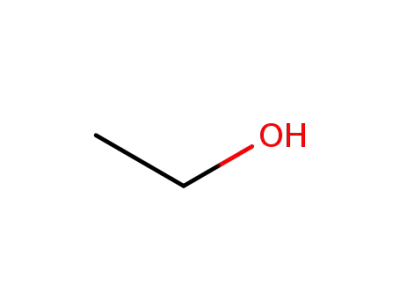
64-17-5
ethanol
-
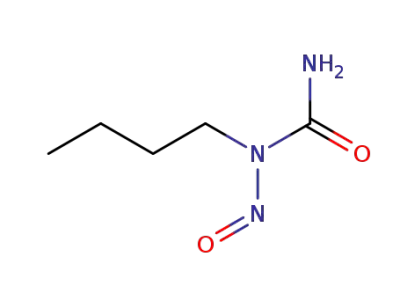
-
869-01-2
1-butyl-1-nitrosourea

-
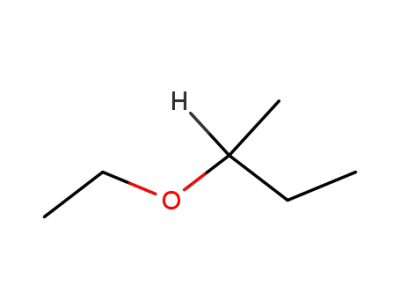
-
2679-87-0
butan-2-yl ethyl ester
-
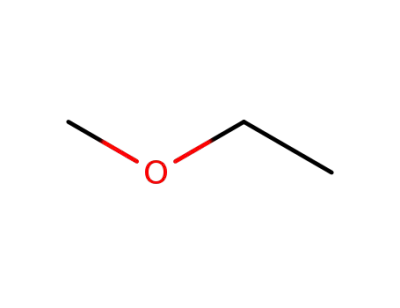
-
540-67-0
ethyl methyl ether
-
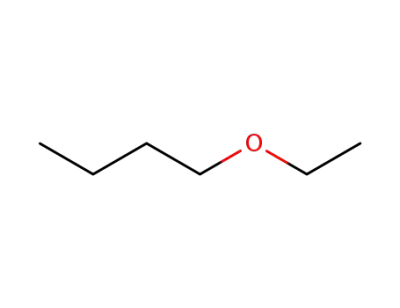
-
628-81-9
butyl ethyl ether
-
-
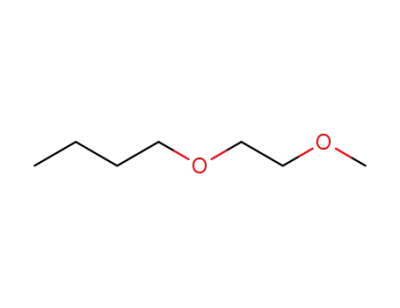
13343-98-1
1-(2-methoxy-ethoxy)-butane
-
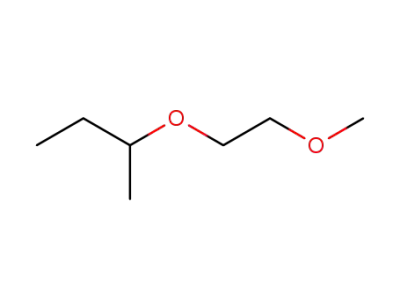
-
2-(2-Methoxyethoxy)butan
-
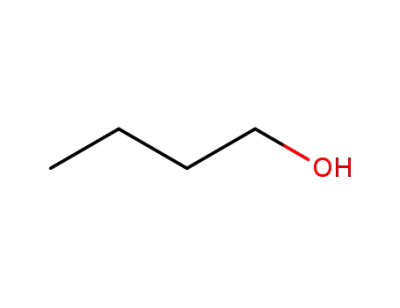
-
71-36-3
butan-1-ol
| Conditions | Yield |
|---|---|
|
With
sodium hydrogencarbonate;
Product distribution;
Mechanism;
Ambient temperature;
further reagent: K2CO3, var. conc.;
|
72.0 % Chromat.
9.4 % Chromat. 17.6 % Chromat. 1.0 % Chromat. |
-
-
64-17-5
ethanol
-
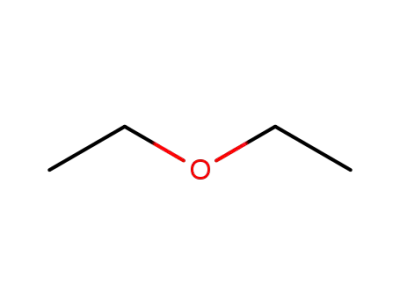
-
60-29-7,927820-24-4
diethyl ether
-
-
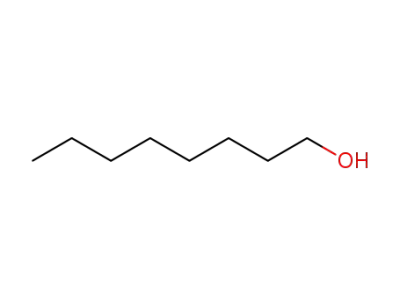
111-87-5
octanol
-
-
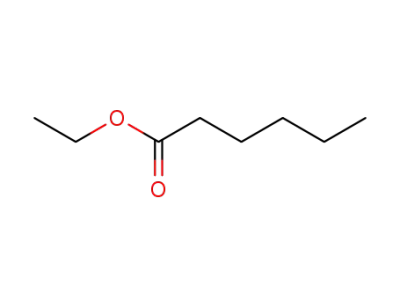
123-66-0
Ethyl hexanoate
-
-
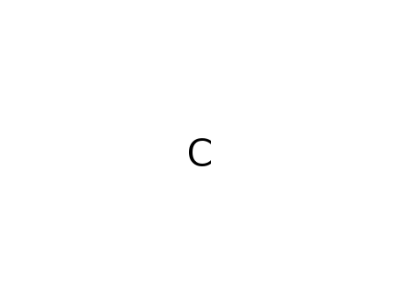
34557-54-5,27936-85-2
methane
-
-
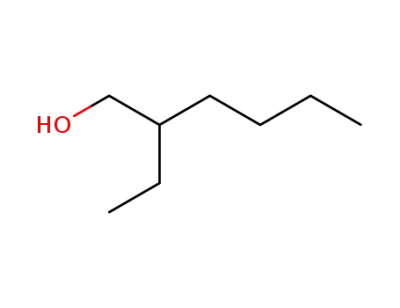
104-76-7
2-Ethylhexyl alcohol
-
-
6117-91-5,542-72-3
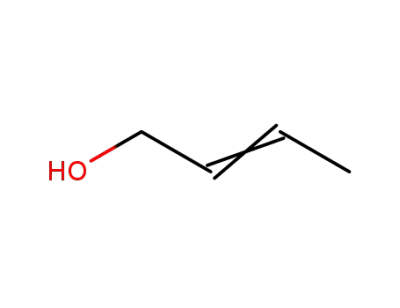
(E/Z)-2-buten-1-ol
-
-
74-85-1
ethene
-
-
97-95-0
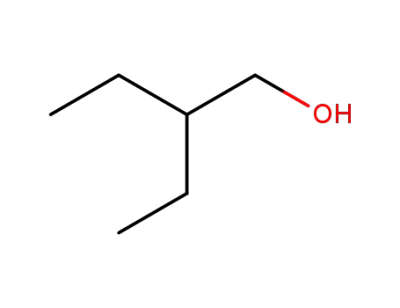
2-ethyl-1-butanol
-
-
628-81-9
butyl ethyl ether
-
-
5756-43-4
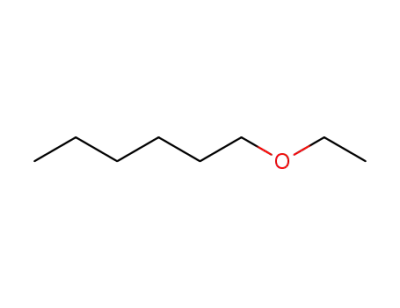
ethyl n-hexyl ether
-
-
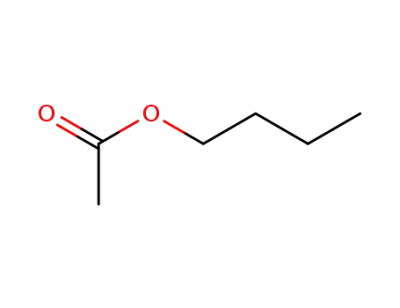
123-86-4
acetic acid butyl ester
-
-
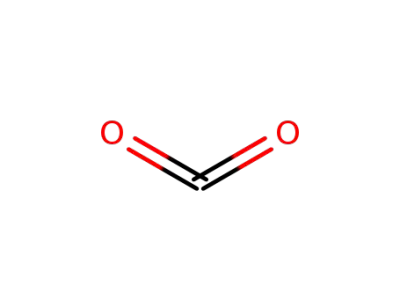
124-38-9,18923-20-1
carbon dioxide
-
-
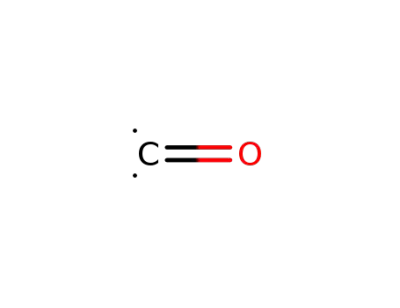
201230-82-2
carbon monoxide
-
-
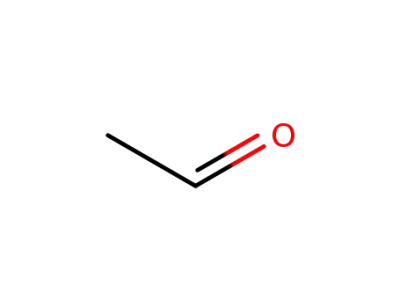
75-07-0,9002-91-9
acetaldehyde
-
-
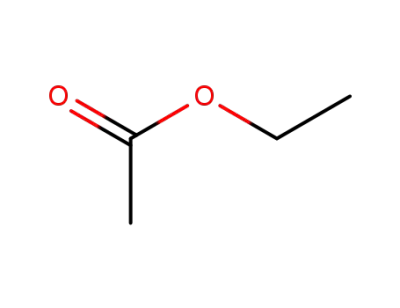
141-78-6
ethyl acetate
-
-
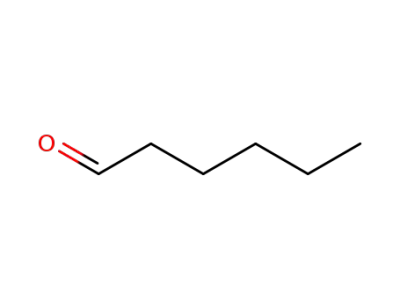
66-25-1
hexanal
-
-
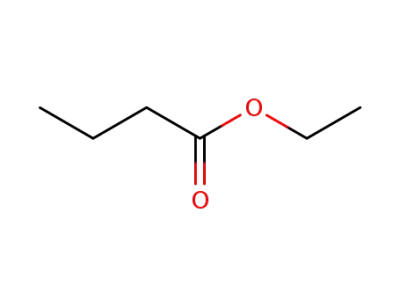
105-54-4
butanoic acid ethyl ester
-
-
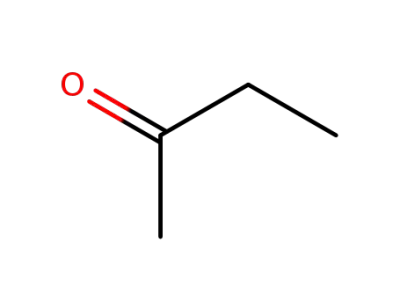
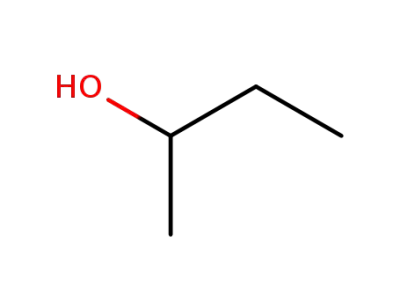
78-93-3
butanone
-
-
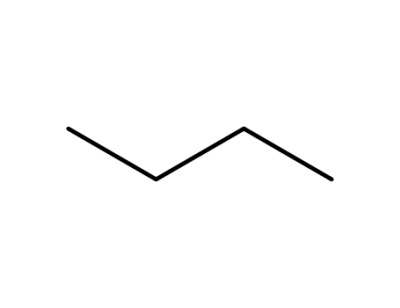
78-92-2,15892-23-6
iso-butanol
-
-
106-97-8,9003-29-6,9021-92-5
n-butane
-
-
71-36-3
butan-1-ol
-
-
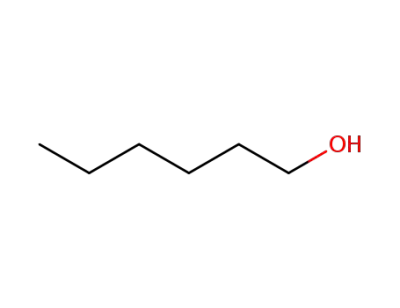
111-27-3
hexan-1-ol
| Conditions | Yield |
|---|---|
|
at 295 ℃;
Autoclave;
Supercritical conditions;
|
628-81-9 Upstream products
-
109-65-9
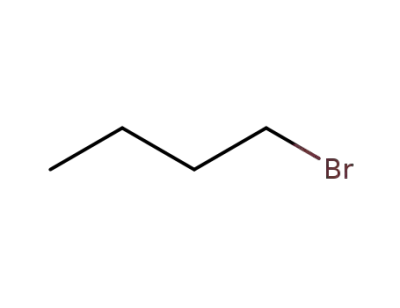
1-bromo-butane
-
917-58-8
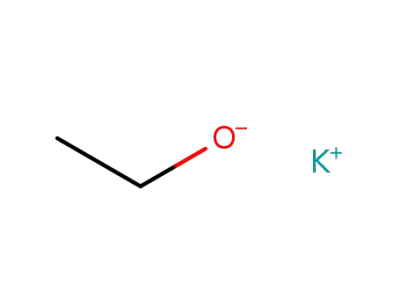
potassium ethoxide
-
141-52-6
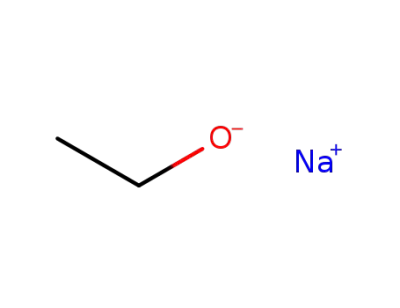
sodium ethanolate
-
74-96-4
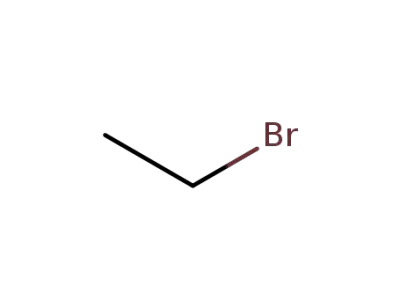
ethyl bromide
628-81-9 Downstream products
-
74-85-1
ethene
-
64-17-5
ethanol
-
71-36-3
butan-1-ol
-
123-86-4
acetic acid butyl ester